





If you are buying or selling in Fairfax County or anywhere in Northern Virginia, the same questions tend to come up again and again. How much house can I afford? Do I need a preapproval before I start looking? How much do I really need for a down payment? What do condo and HOA documents mean in Virginia? And how do Fairfax County taxes actually work? Those questions matter even more right now because the Northern Virginia market is active but less frantic than it was at its most competitive peak. In February 2026, the NVAR region recorded 974 closed sales, 1,699 active listings, 1.23 months of supply, a median sold price of $720,500, and an average of 30 days on market. That suggests buyers have a bit more breathing room than in recent years, even while prices remain high.
1. Is now a good time to buy or sell in Northern Virginia?
There is no one answer for everyone, but the market is giving both buyers and sellers clearer footing than it did during the most intense low inventory stretches. NVAR’s February 2026 numbers show inventory rising and days on market lengthening, which usually means buyers have more options and slightly more time to make decisions. At the same time, 1.23 months of supply is still a relatively tight market, so well priced homes can still attract serious competition. In Fairfax County and nearby Northern Virginia communities, timing should be based on your budget, job timeline, equity position, and neighborhood specific conditions rather than headlines alone.
2. How much house can I afford?
The best answer starts with your monthly comfort level, not the maximum number a lender gives you. The CFPB recommends looking closely at your income, expenses, savings priorities, and the total monthly housing payment, not just principal and interest. Your true housing cost can include principal, interest, property taxes, homeowners insurance, mortgage insurance, and escrow related amounts. In Northern Virginia, that matters a lot because property taxes, insurance, condo fees, and HOA dues can materially change what feels affordable from one neighborhood or property type to another.
3. Do I need a preapproval before I start shopping?
In practice, yes. A preapproval letter is a lender’s statement that it is tentatively willing to lend to you up to a certain amount, and sellers often expect to see one before taking an offer seriously. The CFPB also notes that preapproval is not a guaranteed loan offer and does not lock you into that lender. In a place like Fairfax County, Arlington, Alexandria, McLean, Vienna, Reston, or Herndon, where desirable homes can still move quickly, getting preapproved before you tour seriously or write offers usually puts you in a much stronger position.
4. How much down payment do I need?
Many buyers assume they need 20 percent down, but that is not always true. The CFPB says that in most cases you need at least 3 percent of the target home price, while many loan types and lenders require 5 percent or more. It also notes that a larger down payment can reduce overall loan cost, and mortgage insurance is often required when the down payment is less than 20 percent. For Virginia buyers, Virginia Housing also offers a Down Payment Assistance Grant for qualified first time buyers and some repeat buyers in Areas of Economic Opportunity, subject to eligible loan types, household income limits, and sales price or loan limits. In Northern Virginia, where price points are high, many buyers focus on the right payment strategy rather than waiting years to reach a full 20 percent.
5. What closing costs should I expect?
Closing costs are the upfront costs tied to getting the loan and transferring ownership. The CFPB lists common items such as appraisal fees, tax service provider fees, title insurance, government taxes, and prepaid expenses like property taxes, homeowners insurance, and interest until your first payment is due. Your Loan Estimate should spell out the estimated closing costs and your Estimated Cash to Close, and your Closing Disclosure must arrive at least three days before closing. In Northern Virginia, where purchase prices are often high, buyers should expect the cash needed at closing to be more than just the down payment.
6. Do I still need a home inspection?
For most buyers, a home inspection is still one of the smartest protections in the process. The CFPB says to schedule an independent inspection as soon as possible so you have time to evaluate the home’s condition and decide how to respond. If the contract includes an inspection contingency, you may be able to negotiate repairs, ask for credits, or cancel without penalty if the results are not satisfactory. That is especially important in a region like Northern Virginia, where buyers may be comparing very different property ages, styles, renovation histories, and maintenance standards from one neighborhood to the next.
7. What is the difference between an inspection and an appraisal?
They are not the same thing. An appraisal is an opinion of market value used by the lender to help determine whether the purchase price aligns with the property’s value. A home inspection evaluates the physical condition of the home for the buyer. HUD is explicit that an appraisal does not replace a home inspection, and the CFPB says buyers generally need both. In short, the appraisal helps the lender decide how much risk it is taking on, while the inspection helps you decide whether the home is actually the right purchase for you.
8. What should condo and HOA buyers know in Virginia?
This is a big one in Fairfax County and Northern Virginia because so many transactions involve condos, townhomes, and communities with associations. Virginia’s DPOR says the standard term is now “resale certificate,” and the older phrase “disclosure packet” has been eliminated. State law also gives buyers important cancellation rights tied to the timing of delivery. If no specific contract period is written, the purchaser generally has three days from ratification if the resale certificate was delivered before ratification, or three days from receipt if it was delivered after ratification. If it has not been delivered at all, the purchaser may cancel at any time before settlement. These documents are worth reading carefully because Virginia law also requires the resale certificate to include information about issues such as parking or vehicle restrictions, sign rules, rental restrictions, home based business restrictions, and more.
9. What do Virginia sellers actually have to disclose?
Virginia is often described as a buyer beware state, and the law supports that reputation. Under the Virginia Residential Property Disclosure Act, the owner provides a disclosure statement telling the buyer that the owner makes no representations or warranties as to the property’s condition and that the buyer should do whatever due diligence the buyer deems necessary, including a home inspection and survey. But that does not mean sellers disclose nothing. DPOR’s forms page shows that sellers must complete the Residential Property Disclosures Acknowledgement Form, and purchasers must receive the Residential Property Disclosure Statement and Flood Risk Information Form. Virginia law also requires disclosure of certain known issues in specific situations, including some pending building code or zoning enforcement matters, lis pendens, unrepaired prior methamphetamine manufacture, stormwater facility maintenance obligations, and repetitive risk loss status.
There is also a timing rule that matters. Virginia law says required disclosures should be delivered before ratification. If they are delivered after ratification, the buyer may gain a limited right to terminate the contract, subject to the timelines in the statute. That is one reason strong paperwork and careful transaction management matter so much in Virginia deals.
10. How are Fairfax County property taxes calculated?
In Fairfax County, the Department of Tax Administration assesses real property annually at estimated fair market value as of January 1, and the Board of Supervisors applies the tax rate to that assessed value to determine the amount due. Real estate taxes are paid in two installments, due July 28 and December 5. For 2026, Fairfax County says the average residential equalization increase was 3.99 percent, and the mean assessed value of all improved residential property was about $829,895. Separately, Fairfax County’s adopted FY 2026 budget shows a real estate tax rate of $1.1225 per $100 of assessed value. One nuance buyers and sellers should understand is that an assessment notice is not the same thing as a final tax bill. The county specifically notes that assessment notices can show estimated tax amounts based on prior year rates until the Board adopts the new tax rates.
Final thoughts
The most common real estate questions are common for a reason. They affect your money, your risk, your timeline, and your confidence. In Fairfax County and Northern Virginia, those decisions are shaped by high price points, community associations, local tax rules, and a market that is still competitive even as inventory improves. The good news is that most of the anxiety around buying or selling comes from not knowing what happens next. Once you understand the answers to these 10 questions, the process becomes much easier to navigate.
If you are planning a move in Fairfax, Burke, Springfield, Annandale, Alexandria, Arlington, Reston, Herndon, McLean, Vienna, Oakton, Fairfax Station, Centreville, Chantilly, or elsewhere in Northern Virginia, the right strategy depends on your neighborhood, price point, and goals. Local guidance matters because the details really do change from one area and property type to the next.

WHY CHOOSE TEAM DDA FOR REAL ESTATE IN NORTHERN VIRGINIA
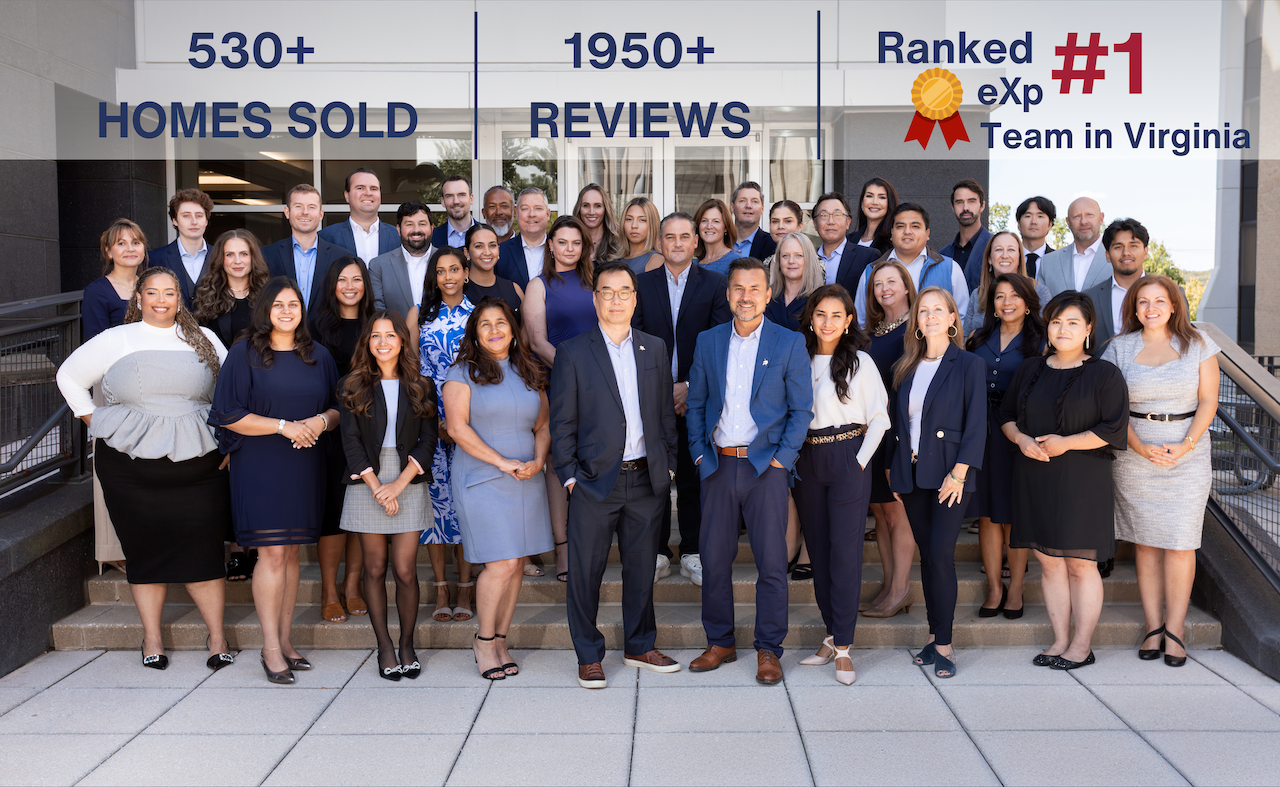
When you are searching for the best Realtor near you, proven results, local expertise, and trust matter. Debbie Dogrul Associates, also known as Team DDA, is proud to be the number one eXp Realty team in Virginia, serving families across Northern Virginia with unmatched service, strategy, and care. We are not just agents. We are trusted advisors helping you navigate one of the most important financial decisions of your life.
With over 540 homes sold annually and nearly 400 million in sales volume in 2025, our full-service team delivers consistent, measurable results. Backed by 1950 plus five-star reviews, Team DDA combines deep market knowledge, expert negotiation, and personalized guidance to help buyers and sellers move forward with confidence.
Our team of 35 plus full-time, highly trained Realtors understands the neighborhoods you are considering at a hyperlocal level. We proudly serve Fairfax, Burke, Annandale, Springfield, Alexandria, Arlington, Reston, Herndon, McLean, Tysons, Vienna, Falls Church, Oakton, Fairfax Station, Woodbridge, Centreville, and surrounding Northern Virginia communities. Whether you are buying your first home, relocating, or preparing to sell, we help you make smart, informed decisions every step of the way.
If you are searching online for the best Realtor near me, top real estate agent in Fairfax, experienced Realtor in Virginia, or a trusted Realtor in Fairfax County, Team DDA consistently ranks at the top. Whether you need a Realtor in Annandale, a top-rated agent in Springfield, or are comparing Northern Virginia real estate teams, our clients choose us for a reason. Common searches like best Realtor in Burke, Realtor near me in Alexandria, top Realtor in Arlington, buying a home in McLean, or listing a home in Reston will lead you right to us. If you have searched who is the best Realtor in Virginia, how to find a Realtor in Fairfax County, or best Realtor near Tysons, you are in the right place. Our proven reputation, market dominance, and results make us the go-to real estate experts across Northern Virginia.
Driven by purpose, we believe success means giving back to the community that has given us so much. Through the DDA Love Foundation, every member of Team DDA is empowered to make a difference. Our mission includes raising funds for local charities, volunteering time, partnering with organizations, and distributing resources in meaningful ways. In 2025, we partnered with Palmetto International Missions to help build 15 homes in a village in Honduras and awarded scholarships to five local high school seniors, totaling over 100000 dollars in community giving. Additional initiatives include food drives for Food for Others, supporting The Lamb Center, Thanksgiving meal distributions, Adopt a Family programs, clothing drives, blood drives with Inova, and community cleanup days.
At Team DDA, we do more than help people buy and sell homes. We help people move forward, strengthen communities, and create lasting impact. Let us show you why so many families choose Debbie Dogrul Associates when it matters most.
Check out this article next